


You’ve pushed through an intense workout, feeling accomplished and energised. But the next day? Every muscle aches, your legs feel like lead, and even climbing the stairs becomes a challenge. Sound familiar?
Post-workout soreness is a near-universal experience among gym-goers and athletes alike. While rest days and proper nutrition play crucial roles in recovery, there’s another wellness tool that’s gaining attention for its remarkable benefits: the traditional sauna. From professional athletes to weekend warriors, more people are discovering how regular sauna sessions can enhance their approach to muscle recovery and overall wellbeing.
In this article, we’ll explore the science behind traditional sauna benefits for post-workout recovery, understand how this time-tested heat therapy supports your body’s natural healing processes, and discover why spa therapy might be the missing piece in your fitness routine.
When you exercise, particularly during strength training or high-intensity workouts, you create microscopic tears in your muscle fibres. This damage, whilst necessary for building strength, triggers an inflammatory response that causes the familiar sensation of muscle soreness.
This discomfort, known as DOMS (delayed onset muscle soreness), typically peaks 24 to 72 hours after exercise. During this period, your body works overtime to repair damaged tissue, clear away metabolic waste products, and adapt to become stronger. This natural recovery process requires adequate blood flow, nutrients, and time.
Many athletes underestimate how critical recovery is to their progress. According to sports recovery research, inadequate recovery can lead to decreased performance, increased injury risk, and the dreaded training plateau. This is precisely why recovery strategies – including heat therapy have become essential components of effective training programmes.
At Dragonfly Skin Day Spa in Leeds, our experienced therapists regularly work with clients who’ve discovered that supporting their body’s recovery process can support improved training consistency, recovery, and overall wellness.
When you step into a traditional sauna, your body temperature rises, triggering a cascade of beneficial physiological responses. Your heart rate increases, blood vessels dilate, and circulation improves dramatically – with some research showing substantial improvements in blood flow, according to cardiovascular research on sauna use
.
This enhanced circulation delivers oxygen-rich blood and essential nutrients directly to your recovering muscles. Simultaneously, improved blood flow helps remove metabolic waste products like lactic acid that contribute to post-workout fatigue and discomfort. Think of it as giving your body’s natural healing system a significant boost.
Heat therapy has long been recognised for its ability to soothe tight, aching muscles. Studies on post-exercise heat therapy show that regular sauna use can reduce inflammation markers in the body, providing natural muscle soreness relief without medication.
For those struggling with DOMS, traditional sauna sessions offer particular benefits. The warmth penetrates deep into muscle tissue, relaxing tension and easing the stiffness that makes movement uncomfortable in the days following intense exercise. Many of our clients at Dragonfly Skin report noticeable improvements in mobility and comfort after incorporating regular sauna sessions into their recovery routine.
Here’s where the science becomes truly fascinating. Regular heat exposure stimulates the production of heat shock proteins (HSPs) – specialised molecules that protect and repair cells under stress. Research into long-term sauna use suggests that this consistent heat exposure may enhance your body’s natural ability to recover from physical stress, potentially improving how efficiently you adapt to training over time.
This means that regular sauna sessions don’t just help you feel better after today’s workout – they may actually strengthen your body’s recovery mechanisms, making you more resilient with each training cycle. It’s a cumulative benefit that builds over weeks and months of consistent use.
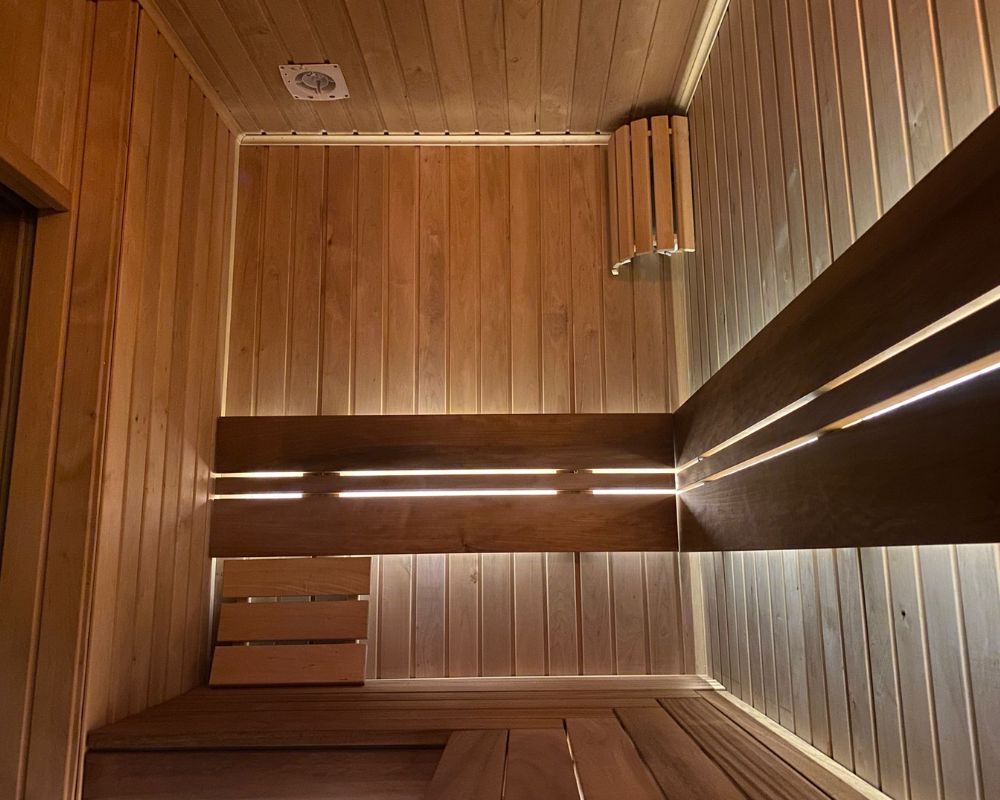
Physical recovery tells only part of the story. Intense training takes a mental toll as well, contributing to stress, disrupted sleep, and general fatigue. This is where the holistic benefits of spa therapy truly shine.
Sauna sessions promote profound relaxation, helping to lower cortisol levels and activate your parasympathetic nervous system – your body’s “rest and digest” mode. The quiet, warm environment provides a sanctuary from daily pressures, allowing your mind to decompress alongside your muscles.
Many athletes report that regular sauna use improves their sleep quality, which is crucial for recovery. During deep sleep, your body releases growth hormone and accelerates tissue repair. By promoting better sleep, saunas create a positive cycle that enhances both mental wellbeing and physical recovery.
The endorphin release triggered by heat exposure also contributes to an improved mood and sense of calm – benefits that extend well beyond the gym. As our therapists at Dragonfly Skin often observe, clients who prioritise mental recovery alongside physical recovery tend to maintain more sustainable, enjoyable fitness routines.
Intense training can temporarily suppress immune function, leaving dedicated athletes vulnerable to illness just when they’re working hardest towards their goals. Emerging research suggests that regular sauna use may offer protective benefits for your immune system.
Heat exposure appears to stimulate white blood cell production and improve the body’s ability to fight off infections. Research published in the Annals of Medicine found that those who used saunas regularly experienced significantly fewer common colds and respiratory infections compared to non-users.
For athletes, this immune support means fewer training interruptions and more consistent progress towards fitness goals. Supporting your wellness through recovery practices like sauna therapy isn’t just about feeling better – it’s about performing better over the long term.
While these findings are encouraging, it’s important to note that sauna use should complement – not replace – other healthy lifestyle practices like proper nutrition, adequate sleep, and good hygiene.
For optimal post-workout recovery benefits, wait 10 to 15 minutes after finishing your exercise session. Use this time to rehydrate and allow your heart rate to return closer to normal. Then, enjoy a sauna session of 15 to 20 minutes if you’re new to heat therapy, gradually building up to 25-30 minutes as your body adapts.
At Dragonfly Skin Day Spa, we offer traditional Finnish-style saunas – the type used in the landmark research studies on athletic recovery and cardiovascular health. Unlike infrared saunas, which use light to heat your body directly, traditional saunas heat the air around you, creating the classic sauna experience that’s been trusted for centuries.
Traditional saunas typically operate between 70-90°C (158-194°F) with controlled humidity, providing the intense heat exposure that stimulates the cardiovascular and recovery benefits we’ve discussed. This tried-and-tested approach delivers the circulation boost, heat shock protein activation, and deep muscle relaxation that athletes have relied on for generations.
Research shows that traditional saunas, like those at Dragonfly Skin, provide the post-exercise recovery benefits documented in scientific studies on heat therapy and athletic performance.
Proper hydration is non-negotiable when using saunas. Drink plenty of water before your session and rehydrate thoroughly afterwards. Listen to your body – if you feel dizzy, nauseous, or uncomfortable, exit the sauna immediately and cool down.
Those with certain medical conditions, including cardiovascular issues or pregnancy, should consult their healthcare provider before beginning regular sauna use.
Sauna therapy works beautifully alongside other recovery practices. At Dragonfly Skin Day Spa, many clients discover that combining sauna sessions with massage therapy or floatation creates a comprehensive recovery experience that addresses multiple aspects of wellness.
Gentle stretching after your sauna session can further enhance muscle soreness relief, whilst the relaxed state achieved through heat therapy makes massage work even more effective.
Recovery tools once reserved for elite athletes are now recognised as beneficial for everyone pursuing an active lifestyle. Whether you’re training for your first 5K, hitting the gym three times weekly, or competing at higher levels, your body deserves the same attention to recovery.
The wellness industry has evolved to make these benefits more accessible. Luxury spas like Dragonfly Skin in Leeds provide professional-grade facilities in welcoming environments where everyday athletes can access the same recovery tools used by professionals.
Our clients consistently report that making spa therapy part of their routine transforms not just their recovery, but their entire relationship with fitness – making it more sustainable, enjoyable, and effective.
Wait 10 to 15 minutes after your workout to allow your heart rate to normalise and to rehydrate. This brief cooling-off period makes your sauna session safer and more comfortable whilst still providing excellent post-workout recovery benefits.
Start with 15 to 20 minutes if you're new to saunas. As your body adapts, you can extend sessions to 25-30 minutes. Always listen to your body and exit if you feel uncomfortable. Some people find even shorter sessions beneficial, especially when first starting out.
Many people find that traditional saunas help reduce DOMS symptoms. The improved circulation and warming effects of heat therapy can ease muscle soreness and stiffness, potentially making movement more comfortable in the days following intense exercise. Individual experiences may vary, but the heat therapy benefits are supported by research.
For those seeking muscle recovery benefits, two to four sauna sessions per week is a common recommendation. However, even occasional use may provide benefits, and you should adjust frequency based on your individual response, schedule, and overall wellness goals. Consistency tends to yield the best results.
Whilst saunas are safe for most healthy adults, they're not suitable for everyone. Those with cardiovascular conditions, uncontrolled high blood pressure, pregnancy, or certain other medical concerns should consult their healthcare provider before beginning regular sauna use. Always stay well-hydrated, and if you feel dizzy, nauseous, or uncomfortable at any point, exit the sauna immediately.
At Dragonfly Skin, we specialise in traditional Finnish-style saunas, which have extensive research backing for post-workout recovery applications. Traditional saunas heat the air to higher temperatures (70-90°C), creating the cardiovascular response and circulation improvements documented in numerous studies. Whilst infrared saunas also offer potential benefits, traditional saunas provide the classic, well-researched experience that many athletes prefer for recovery support.
It's best to rinse off briefly before entering the sauna for hygiene purposes, then shower thoroughly after your session to remove perspiration and help your body cool down gradually. Some people also find a cool shower afterwards refreshing and invigorating.
Absolutely! Many clients find that combining sauna sessions with massage therapy creates an enhanced recovery experience. The heat can help prepare your muscles for massage work, whilst both therapies support circulation, relaxation, and mental wellbeing. At Dragonfly Skin, we offer combined treatment packages designed to support your recovery goals comprehensively.
Recovery isn’t a luxury – it’s an essential component of any successful fitness journey. The traditional sauna benefits we’ve explored, from enhanced muscle recovery and circulation to improved mental wellbeing and immune system support, demonstrate why so many athletes now consider heat therapy indispensable.
At Dragonfly Skin Day Spa in Leeds, we understand that your body deserves the same dedication you bring to your training. Our professional traditional sauna facilities, combined with our team’s expertise in spa therapy and wellness, provide the perfect environment to support your recovery goals.
Your body deserves the same attention you give to your training. Experience the restorative power of our traditional sauna facilities at Dragonfly Skin Day Spa in Leeds.
Whether you’re managing post-workout soreness or simply seeking deeper relaxation, our trained therapists are here to support your wellness journey. Discover why so many athletes trust us with their recovery.
Book your sauna session today and take the first step towards more effective recovery, reduced muscle soreness, and enhanced overall wellbeing. Visit our website or call us to discuss how we can create a personalised spa therapy experience that complements your fitness goals.
EXCELLENTTrustindex verifies that the original source of the review is Google. 5/5 - Excellent service Had a great experience. My wife had a pregnancy massage and I went for a sports massage both were excellent. The therapists Nerissa and Dhruv were really professional and made us feel comfortable the whole time. You can tell they know what they’re doing and tailored everything to what we needed. Really relaxing atmosphere too. Would definitely recommend and we’ll be back.Posted onTrustindex verifies that the original source of the review is Google. Excellent spa, right in the city centre! The therapists were fabulous ensuring everything was perfect & I cannot recommend the hot stone massages enough. I’ll definitely be booking another treatment soon. Thank you!Posted onTrustindex verifies that the original source of the review is Google. Tetiana's massage expertise always provides the most relaxing times! The staff and the spa overall are also great. It's cosy, nice and clean. My favourite massage spot in LeedsPosted onTrustindex verifies that the original source of the review is Google. I had the top of my back stuck and the floating tank did the job. Very nice setting, calm in the middle of the city, I enjoyed the time. Did 1h30 and it went pretty fast. Thank you. Staff is really friendly.Posted onTrustindex verifies that the original source of the review is Google. I'd never done a floatation session before and this was absolutely wonderful! Kristine guided me very carefully so I knew exactly what to do and what to expect. Was lovely to completely disconnect for an hour and feel literally weightless! I will definitely be back.Posted onTrustindex verifies that the original source of the review is Google. Gorgeous experience in the flotation tank, very relaxing, loved it. The spa was very clean and modern , staff were very welcoming and approachable. Will definitely be back!Posted onTrustindex verifies that the original source of the review is Google. I just enjoyed a session in the floatation tank and 1.5hr pregnancy massage. I have lots of experience with both - and this was by far the best once in terms of service, welcome, and massage pressure/comfort. Highly recommended - can’t wait to book in again.Posted onTrustindex verifies that the original source of the review is Google. My partner and I had a lovely couple of hours during our first floatation experience. Thank you so much to Kristine for walking us through the process and taking such good care of us!Posted onTrustindex verifies that the original source of the review is Google. One of the best massages I’ve ever had! Tetiana gave me such a relaxing time. The staff and the place were really nice too. However, my spine starting hurting afterwards, I don’t know if it’s normal. One day later, I still hope the pain quickly goes away 😅Posted onTrustindex verifies that the original source of the review is Google. Great massage! I contacted them via Whatsapp asking for advice on which treatment to choose. They were very helpful and set up the appointment easily. I had swedish massage with Dheur. He was very kind, skilled and made sure I was comfortable throughout the session!
Input your search keywords and press Enter.